How Psychodynamic Therapy Gets to the Root of Depression
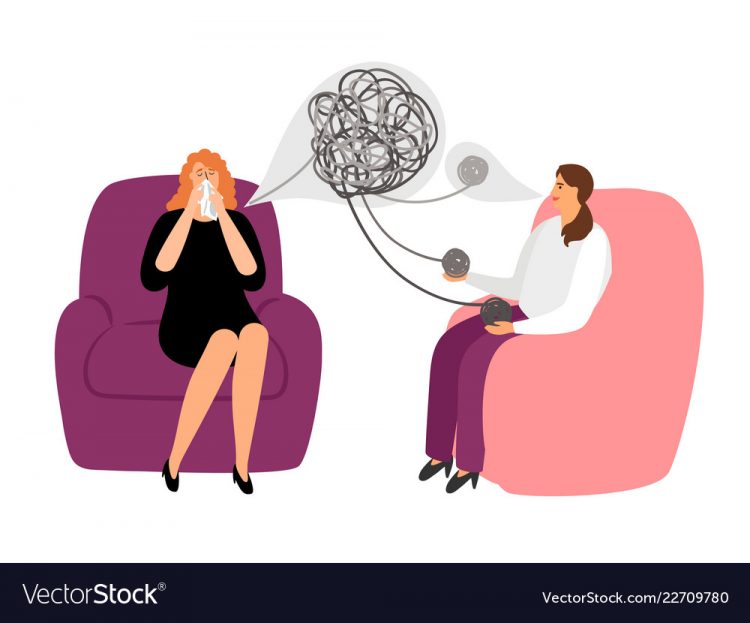
Psychodynamic therapy treats depression by surfacing unconscious patterns from early life, offering longer-lasting relief than symptom-focused approaches alone.

Psychodynamic therapy treats depression by surfacing unconscious patterns from early life, offering longer-lasting relief than symptom-focused approaches alone.
Decades of research show the therapist-client relationship explains 12-30% of outcomes. Here's what makes the alliance the strongest predictor of therapy success.
Coping strategies manage symptoms but rarely resolve them. Here's why depth-oriented therapy targets root causes and produces lasting change.
Psychological assessments build a detailed picture of how someone thinks, feels, and copes, going beyond diagnosis to guide targeted treatment.
Research shows the therapeutic alliance predicts therapy outcomes at least as strongly as any technique. Here's what the relationship actually does.
Psychodynamic therapy treats symptoms as signals, not problems to erase. Here is how it differs from CBT, who it helps, and why the benefits can keep growing after sessions end.
Coping tools help in a crisis, but lasting change requires going underneath symptoms to the relational patterns that generate them.
One of the most common questions people ask before starting therapy is some version of "how long will this take?" It's a fair question. Committing to...