Beyond the Surface: How Psychodynamic Therapy Addresses the Roots of Eating Disorders
Eating disorders are not really about food. Psychodynamic therapy targets the underlying emotional and relational patterns that drive them.

Eating disorders are not really about food. Psychodynamic therapy targets the underlying emotional and relational patterns that drive them.

Anxiety often has deeper roots than breathing exercises address. Here's how psychodynamic therapy targets origins, relationships, and lasting change.
Depression often shows up as quiet withdrawal and numbness rather than obvious sadness. Here's why coping strategies alone may not be enough, and how depth-oriented therapy helps.
Adult relationship problems often trace back to childhood relational templates. Here's how psychodynamic therapy addresses the roots rather than the symptoms.
A psychological assessment is far more than a checklist or a label. Here's what the process actually involves, why it matters before treatment, and who it can help.

Early relational experiences quietly shape adult anxiety, depression, and relationship patterns. Here's how insight-oriented therapy uncovers and rewires them.

Research shows the therapist-client relationship predicts outcomes more reliably than any technique. Here's how rapport actually drives mental health change.

Four common myths about therapy, what sessions actually look like, and why early intervention and the therapist-client relationship matter for real change.

Most people who start looking into therapy quickly realize there's no shortage of options. CBT, DBT, EMDR, ACT... the alphabet soup of therapeutic...
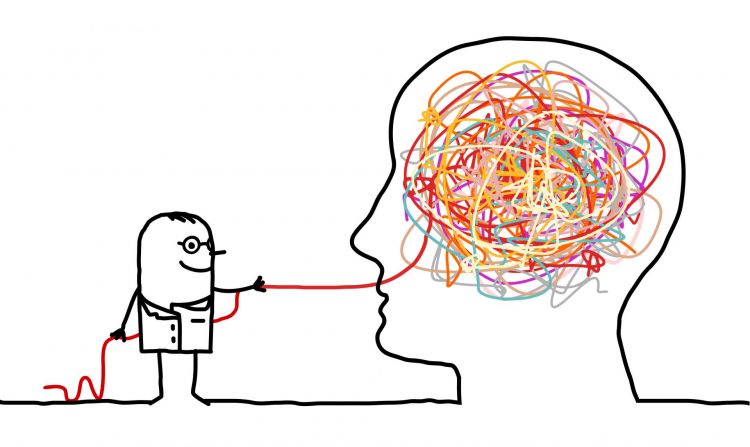
Someone struggling with anxiety might learn a dozen breathing techniques, practice mindfulness every morning, and still feel that familiar knot tightening...